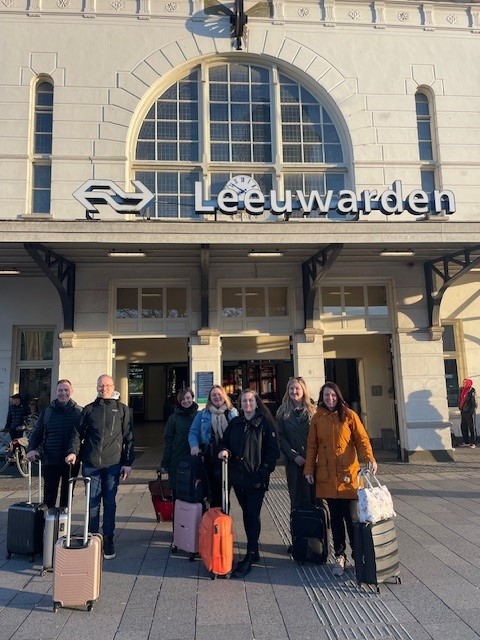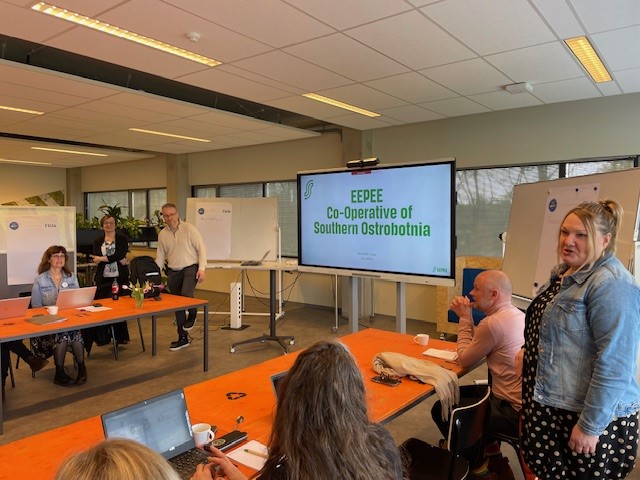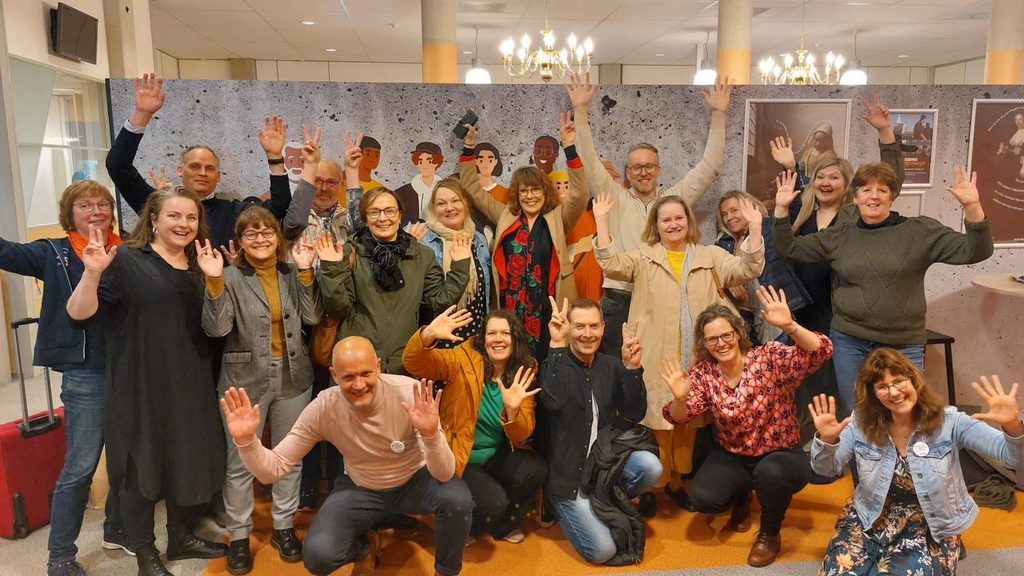
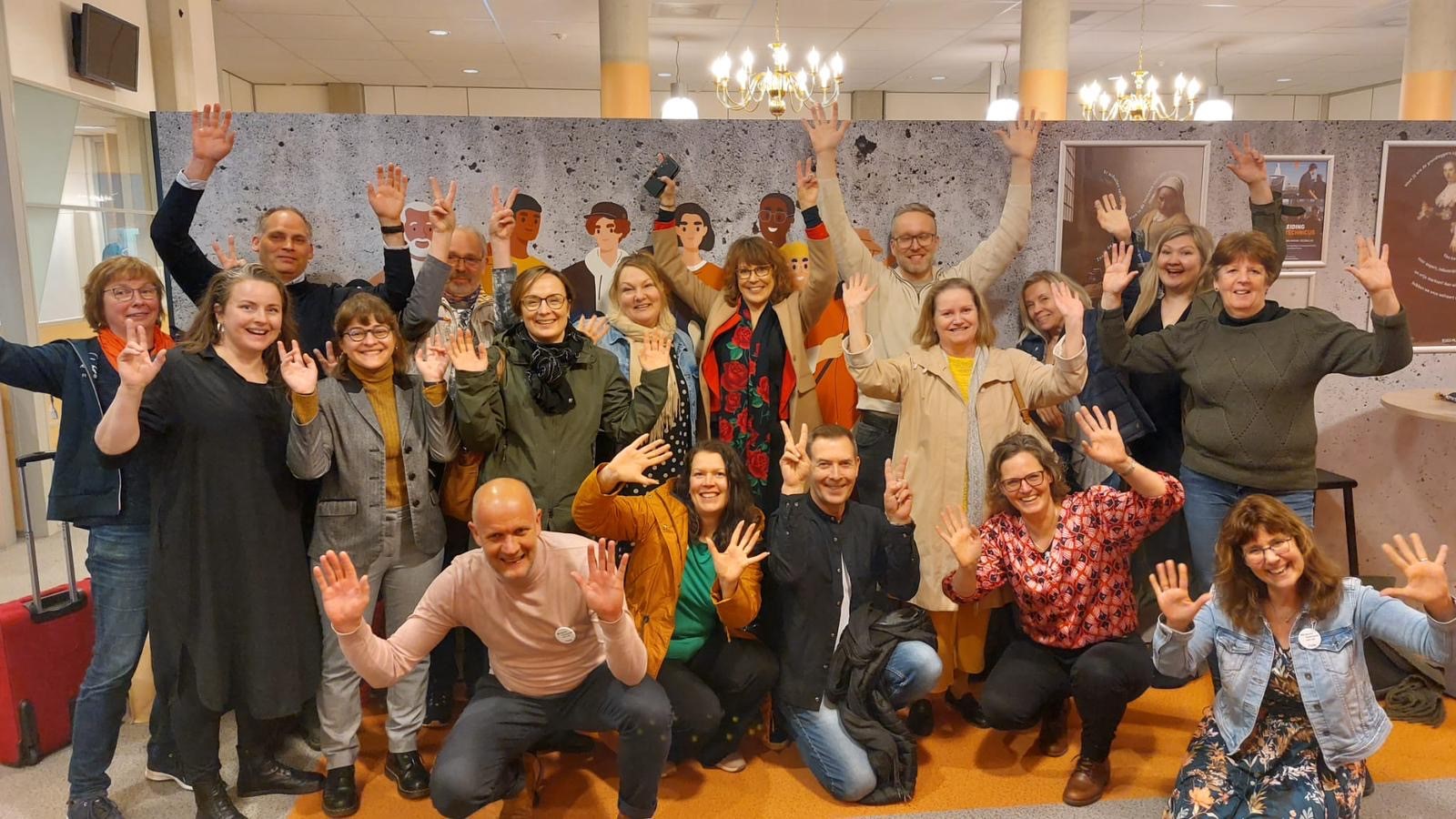
U2VET project’s second transnational project meeting was organised in the Netherlands in April 2024. As one of the most important aims of the project is to support the integration of Ukrainian immigrants into working life through vocational education, Sedu decided to invite two working-life representatives, Ms Elina Mäki-Opas, Director of Hospitality Services, and Ms Viveca Särkelä, HR Specialist from Etelä-Pohjanmaan Osuuskauppa (Eepee), to participate in the visit.
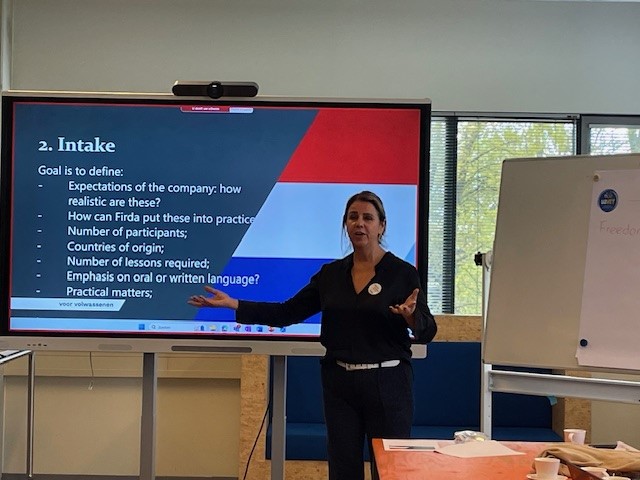
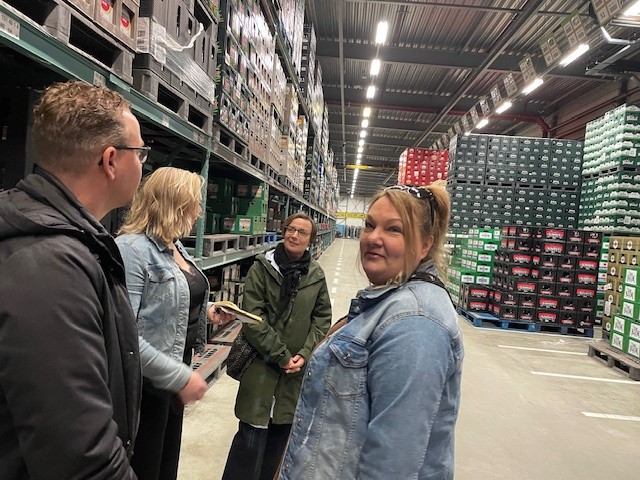
Besides getting to know how the vocational education is organized in Netherlands, the project’s Dutch partner Firda had organized several company visits for the participants. The visits provided valuable insights into how Dutch employers recruit, support and integrate international employees.
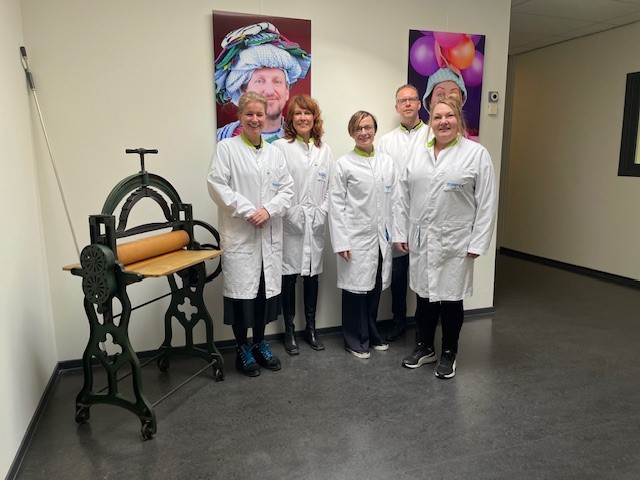
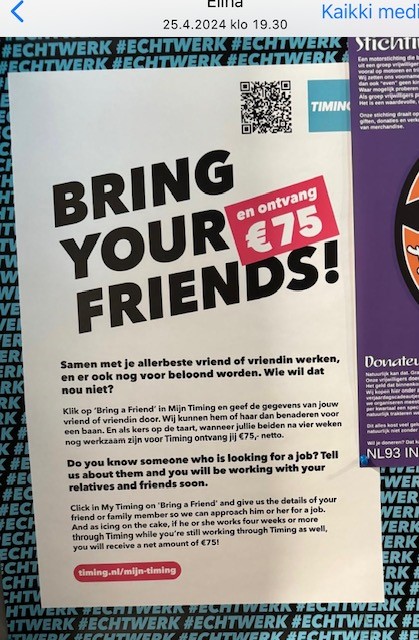
At Rentex, an industrial laundry employing people from around 30 countries, particular attention was paid to language learning and gradual integration into the company. Employees receive language training at the workplace twice a week, partly during paid working hours. International employees are initially employed through a staffing company, which also supports them with practical matters such as accommodation and transportation. This model reduces the administrative burden for the employer and helps international employees settle into working life.
At Poiesz, a large retail company, the participants saw how a multicultural workforce is increasingly important in a situation where local labour is not readily available. As employees’ language skills and competences develop, they can progress to more demanding roles within the organisation.
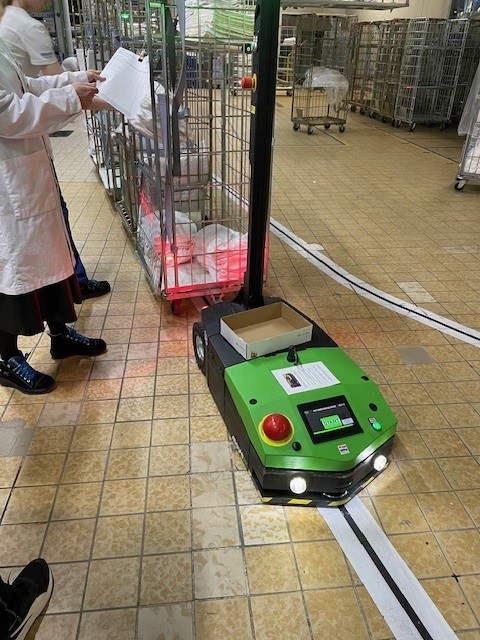
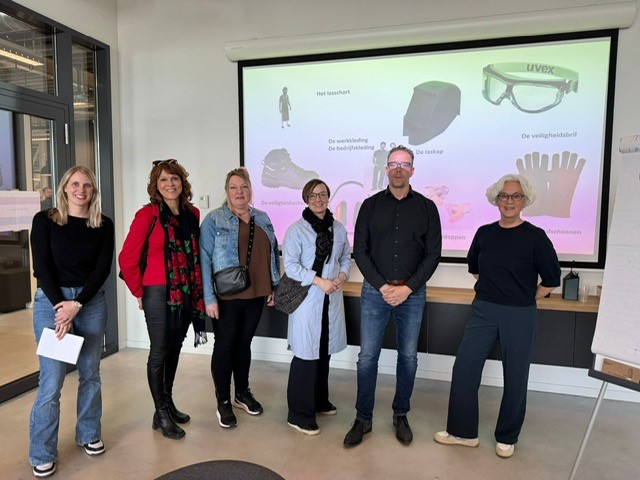
The visit to Suplacon also demonstrated the importance of workplace language training and occupational safety. International employees participated in Dutch-language training focusing on safety issues in the workplace.
For the Eepee representatives, the visit offered practical ideas for developing the support and onboarding of Ukrainian employees. The experiences highlighted the importance of combining vocational skills, language learning and practical support, while also providing opportunities for employees to develop their careers as their skills and language proficiency improve. The visit strengthened cooperation between education providers and working life and provided useful examples of practices that can be adapted to the Finnish context.